
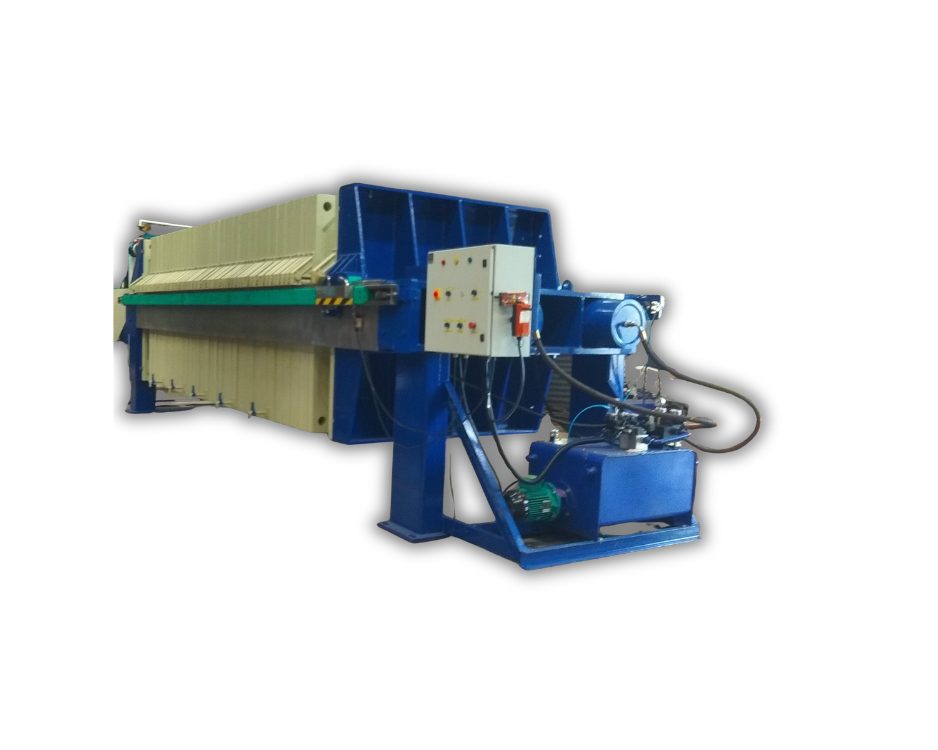
Filter Press Problems and Solutionsis one of the most important topics for any plant that relies on filtration as part of its daily operation. A filter press is generally a dependable machine, but when things start going wrong, the impact can be immediate. Longer cycles, poor cake discharge, leaking plates, cloudy filtrate, and inconsistent performance all have a way of slowing production and increasing frustration across the shop floor.
The tricky part is that filter press issues rarely appear as one big dramatic failure. More often, they begin as small warning signs. A little extra leakage here. Slightly wetter cake there. A cloth that needs cleaning more often than usual. Left unchecked, those “minor” issues often turn into full operational headaches.
The good news is that most of these problems are not mysterious. They are usually caused by a handful of repeat issues, and once you know what to look for, they can be corrected before they become expensive.
Why Filter Press Problems Are Often Misdiagnosed
One reason filter press issues keep repeating in many plants is because the visible symptom is often not the real cause.
For example, wet cake may seem like a pressure issue, but the actual problem could be poor slurry conditioning. Plate leakage might look like a hardware fault, when in reality it is caused by misalignment or debris on the sealing surface.
This is why understanding Filter Press Problems and Solutions properly matters so much. If the wrong problem gets fixed, the real one simply returns in the next cycle.
The best troubleshooting approach is always to look at the machine, the slurry, and the operating method together rather than treating each issue in isolation.
Problem 1: Plate Leakage During Filtration
Plate leakage is one of the most common and most visible issues in filter press operation. It usually shows up as slurry or filtrate escaping from between the plates during the cycle.
This not only creates mess and product loss, but can also affect chamber pressure and cake formation.
Common Causes:
- Misaligned filter plates
- Damaged or wrinkled filter cloth
- Debris on sealing surfaces
- Insufficient closing pressure
- Cracked or worn plates
Solution:
In most cases, the fix starts with a simple inspection. Plates should be aligned properly, sealing faces cleaned, and cloths checked for bunching or damage. Hydraulic or closing pressure should also be verified.
Among all Filter Press Problems and Solutions, leakage is one of the easiest to detect, but it still gets ignored far too often until it starts affecting production.
Problem 2: Wet Filter Cake
A filter press is expected to produce a cake that is reasonably dry and easy to handle. When the cake comes out too wet, it often creates downstream problems in disposal, transport, or further processing.
Common Causes:
- Incomplete filtration cycle
- Wrong plate design
- Slurry that is too compressible
- Low feed pressure or poor pressure profile
- Filter cloth blinding
Solution:
Start by checking whether the cycle is being stopped too early. Then review the slurry behavior and plate configuration. In some applications, a membrane plate system may be more suitable if higher dryness is required.
Wet cake is one of the more expensive Filter Press Problems and Solutions to overlook because it directly affects disposal cost and material handling.
Problem 3: Slow Filtration Cycle
If your filter press suddenly takes much longer than usual to complete a cycle, there is almost always a process reason behind it.
Common Causes:
- Cloth blinding
- Fine or sticky solids
- Reduced feed solids concentration
- Improper slurry conditioning
- Blocked filtrate outlets
Solution:
Inspect the cloth first. In many cases, partially blinded cloth is the root cause. Also review whether the feed slurry has changed in concentration or composition. Cleaning or replacing the cloth often restores performance quickly.
Plants dealing with recurring delays often find that slow cycle time is one of the most underestimated Filter Press Problems and Solutions because it develops gradually rather than all at once.
Problem 4: Cake Not Releasing Properly
A filter press may complete the cycle successfully, but if the cake does not fall properly during discharge, the process quickly becomes inefficient.
Operators often end up scraping cake manually, which increases labor time and creates unnecessary mess.
Common Causes:
- Sticky slurry
- Excess residual moisture
- Incorrect cloth surface or material
- Uneven cake formation
- Insufficient cycle completion
Solution:
Review the slurry behavior first, especially if the material is sticky or gelatinous. Cloth type also plays a major role here. In some cases, small process adjustments can improve cake release significantly.
This is one of those Filter Press Problems and Solutions that directly affects operator experience, not just process efficiency.
Problem 5: Cloudy or Dirty Filtrate
In many applications, especially in chemicals or product recovery processes, the quality of the filtrate matters just as much as the cake.
If the filtrate appears cloudy or contains fine solids, something is not working correctly in the early part of the filtration cycle.
Common Causes:
- Damaged filter cloth
- Incorrect cloth micron rating
- Poor cake formation
- Improper startup pressure
- Plate or cloth installation issue
Solution:
Start by checking cloth integrity and installation. Then review whether the filtration cycle is allowing the initial cake layer to form properly. Sometimes the issue is not with the cloth itself, but with how the cycle begins.
Filtrate quality is one of the more process-sensitive Filter Press Problems and Solutions, especially where product purity or water reuse is involved.
Problem 6: Hydraulic Pressure Issues
For hydraulic or automatic filter presses, unstable closing pressure can create multiple performance problems at once.
Common Causes:
- Low hydraulic oil level
- Seal leakage
- Pressure control malfunction
- Wear in hydraulic components
Solution:
Hydraulic systems should be checked regularly, not just when something fails. Oil level, seals, hoses, and pressure consistency should all be part of routine inspection.
A weak or unstable closing system can quietly trigger several other Filter Press Problems and Solutions, including leakage, poor sealing, and uneven cake formation.
Problem 7: Frequent Cloth Damage
If filter cloths are tearing or wearing out too quickly, the issue may not be the cloth quality itself.
Common Causes:
- Abrasive solids
- Poor plate alignment
- Excessive cleaning pressure
- Incorrect cloth fitment
- Mechanical rubbing during operation
Solution:
Look at how the cloth is being installed, cleaned, and used during discharge. Also review whether the slurry contains abrasive material that may require a different cloth type.
This is one of the more expensive Filter Press Problems and Solutions over time because repeated cloth replacement quietly increases operating cost.
Real-World Example: One Problem Hiding Three Others
In one plant, operators report that the filter press is leaking and producing wetter cake. At first glance, it seems like a simple pressure issue.
After inspection, the real causes turn out to be:
- Slight plate misalignment
- Two partially blinded cloths
- Feed slurry concentration lower than normal
No single issue looked dramatic on its own, but together they created a noticeable performance drop.
This is exactly why Filter Press Problems and Solutions should always be approached systematically. What appears to be one problem is often the result of several smaller ones working together.
How to Prevent Most Filter Press Problems Before They Start
The best troubleshooting strategy is still prevention.
A practical routine should include:
Daily
- Check plate alignment
- Inspect for leakage
- Observe cake discharge
Weekly
- Clean and inspect cloths
- Review cycle consistency
- Check hydraulic pressure
Monthly
- Inspect plates for wear or cracks
- Review performance trends
- Replace damaged components before failure
Plants that follow even a simple routine usually face far fewer recurring issues.
Final Thoughts
Filter Press Problems and Solutions are not just maintenance concerns. They are directly tied to production efficiency, product recovery, waste handling, and operator workload.
Most filter press issues can be solved effectively, but only if the root cause is understood clearly. The machine, the slurry, and the operating method all have to be considered together.
When that happens, troubleshooting becomes much easier, and the filter press returns to what it is meant to be: a reliable, efficient part of the process rather than a constant source of interruption.