
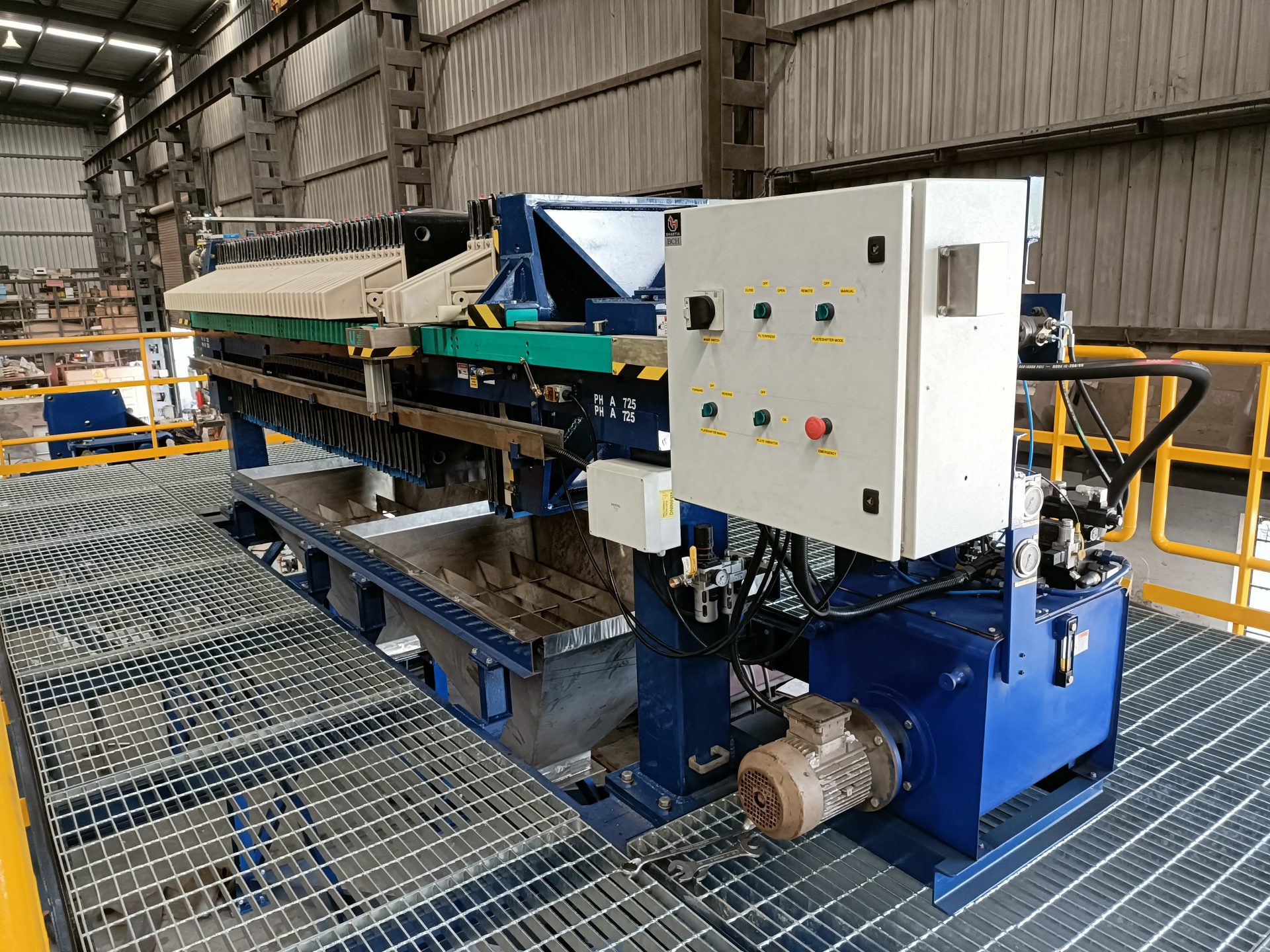
That is understandable. In a busy industrial environment, the filter press is often expected to “just run.” But like any pressure-based system working with slurry, solids, and repetitive cycles, it performs best when operators understand not only how it works, but also what keeps it working consistently over time.
The good news is that filter presses are not overly complicated machines. In fact, one of their biggest strengths is that they are reliable when used correctly. The challenge is not usually the technology itself. It is the small operating habits and maintenance gaps that slowly affect performance.
Why Operation and Maintenance Matter So Much
A filter press may still appear to be running even when performance is gradually declining. That is what makes this issue so easy to overlook.
Cycle time gets a little longer. Cake becomes slightly wetter. Cloths start blinding faster. Operators need to intervene more often. None of these changes may seem urgent on their own, but together they reduce efficiency and increase cost.
This is exactly why Filter Press Operation and Maintenance should be treated as part of the production process, not just as a support activity.
When handled properly, good operation and maintenance improve:
- Filtration consistency
- Cake dryness
- Equipment life
- Safety
- Throughput
- Overall operating cost
And perhaps most importantly, they reduce the chances of unexpected downtime.
Start With Correct Daily Operation
Good maintenance begins with good operation. Many long-term issues actually start during normal daily use.
Before each cycle, operators should confirm that the machine is clean, aligned, and ready for pressure. This includes checking that plates are properly seated, cloths are positioned correctly, and no debris is trapped between sealing surfaces.
This may sound basic, but in practice, it is one of the most important parts of Filter Press Operation and Maintenance.
A poorly aligned plate pack or damaged cloth edge can lead to leakage, uneven cake formation, and unnecessary wear.
Understand the Importance of Slurry Feed Control
One of the easiest ways to reduce filter press performance is inconsistent feed conditions.
If the slurry concentration changes too much, if pressure rises too aggressively, or if feed flow is unstable, the filtration cycle becomes harder to control. Cake may build unevenly, cloths may blind faster, and cycle time can vary from one batch to the next.
That is why proper feed control is a practical part of Filter Press Operation and Maintenance, not just process engineering.
Operators should understand:
- Recommended feed pressure range
- Ideal solids concentration
- Signs of poor chamber filling
- When to stop or adjust the feed cycle
The more stable the feed, the more stable the press performance.
Keep Filter Cloths in Good Condition
If there is one component that affects performance more than most people realize, it is the filter cloth.
Cloths directly influence filtration speed, filtrate clarity, and cake release. When they become clogged, damaged, stretched, or chemically degraded, the entire process suffers.
A strong Filter Press Operation and Maintenance routine always includes cloth care.
This means:
- Cleaning cloths regularly
- Inspecting for tears or blinding
- Replacing worn cloths on time
- Using the correct cloth type for the slurry
Many filtration issues that appear to be “machine problems” are actually cloth problems in disguise.
Plate Inspection Should Never Be Ignored
Filter plates are built to withstand pressure, but they are not immune to damage.
Cracks, warping, surface wear, or damaged sealing edges can all affect performance and safety. Even small defects can lead to leaks, poor chamber sealing, or uneven pressure distribution.
This is why plate inspection should be a routine part of Filter Press Operation and Maintenance, especially in high-cycle or chemically aggressive applications.
Plates should be checked for:
- Visible cracks or chips
- Flatness and sealing condition
- Clean drainage ports
- Surface buildup or residue
Catching a damaged plate early can prevent much larger problems later.
Hydraulic System Maintenance Is Essential
For hydraulic or automatic filter presses, the hydraulic system plays a critical role in safe and effective operation.
If closing pressure is unstable or insufficient, the plate pack may not seal properly. If pressure is too high or poorly controlled, it can stress the machine unnecessarily.
A reliable Filter Press Operation and Maintenance plan should include regular hydraulic checks such as:
- Oil level inspection
- Seal and hose condition
- Pressure consistency
- Cylinder performance
- Leak detection
These checks do not take much time, but they help avoid some of the most disruptive failures.
Don’t Overlook Cake Discharge Behavior
Cake discharge is often treated as the end of the cycle, but it is actually one of the best indicators of machine health.
If cake is falling cleanly and consistently, the press is usually operating well. If cake starts sticking, breaking unevenly, or requiring manual scraping, something is changing in the process.
This could point to:
- Cloth condition issues
- Cycle timing problems
- Slurry variability
- Excess residual moisture
- Plate surface contamination
In real plant operation, watching discharge behavior is one of the most useful habits in Filter Press Operation and Maintenance because it reveals problems before they become severe.
Cleaning Matters More Than Most Plants Realize
Filter presses do not need constant deep cleaning, but they do need consistent cleaning in the right places.
Build-up around cloth edges, drainage ports, plate corners, and feed holes can quietly reduce performance over time. Once residue hardens or chemical deposits accumulate, filtration becomes less predictable and maintenance becomes more difficult.
A practical cleaning routine is one of the simplest and most effective parts of Filter Press Operation and Maintenance.
This does not need to be excessive. It just needs to be consistent.
Real-World Example: Small Maintenance Gaps, Big Production Loss
Consider a plant using a semi automatic filter press for chemical sludge. Over time, cycle time begins to increase and operators assume the slurry has changed.
After a closer inspection, the real issues are found:
- Several cloths are partially blinded
- One plate has a damaged sealing edge
- Hydraulic pressure is slightly below target
None of these issues looked dramatic on their own, but together they reduced output and increased downtime.
This is a very common pattern. Good Filter Press Operation and Maintenance is rarely about dramatic repairs. It is about noticing and correcting small issues early.
Build a Routine, Not Just a Reaction
One of the biggest differences between plants that struggle with filtration and plants that run smoothly is routine.
Reactive maintenance only begins after performance drops. Preventive maintenance keeps that drop from happening in the first place.
A practical routine might include:
Daily Checks
- Plate alignment
- Cloth condition
- Feed pressure observation
- Leak inspection
Weekly Checks
- Hydraulic system review
- Plate surface cleaning
- Discharge behavior review
Monthly Checks
- Cloth replacement planning
- Seal inspection
- Performance trend review
This kind of structure turns Filter Press Operation and Maintenance into a manageable system instead of an occasional emergency.
Final Thoughts
Filter Press Operation and Maintenance is not just about keeping equipment clean or fixing breakdowns. It is about protecting performance, improving consistency, and extending the useful life of one of the most important machines in the filtration process.
When operators understand the machine and maintenance is treated as part of production, the filter press becomes far more reliable and far less costly to run.
In most plants, the difference between frustrating filtration and efficient filtration is not the machine alone. It is how well that machine is operated and maintained every day.