
Choosing between these two systems requires understanding not just the purchase price, but also total cost of ownership, plant capacity, and operational goals. This guide explains the differences in depth so you can make a well-informed decision.
What Is a Manual Filter Press?
A manual filter press is a basic filtration machine where plate shifting, cake discharge, and tightening mechanisms are handled by operators. It is simple in design and cost-effective, making it suitable for small-scale operations or batch processes.
In the Fully Automatic vs Manual Filter Press comparison, the manual version is often selected where production volume is low and labor is readily available.
What Is a Fully Automatic Filter Press?
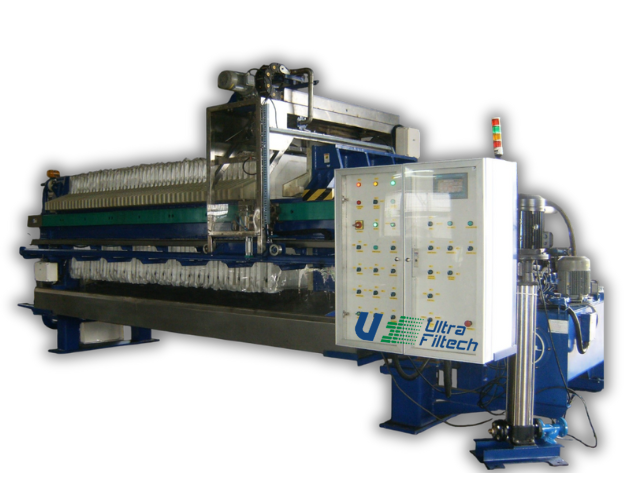
A fully automatic filter press is an advanced system that automates plate closing, cake discharge, and sometimes cloth washing. It uses hydraulic systems and PLC controls to manage the entire filtration cycle with minimal operator involvement.
In the Fully Automatic vs Manual Filter Press evaluation, the fully automatic system is preferred for high-capacity and continuous operations.
Key Differences: Fully Automatic vs Manual Filter Press
1. Level of Automation
The most obvious difference in Fully Automatic vs Manual Filter Press is automation. Manual presses rely entirely on human effort, while fully automatic presses handle most operations automatically.
2. Labor Requirement
Manual systems require operators for plate handling and cake removal. Fully automatic systems significantly reduce manpower needs, lowering long-term labor cost.
3. Productivity and Cycle Time
In the Fully Automatic vs Manual Filter Press comparison, automatic presses offer faster and more consistent cycle times. Manual systems may experience variations depending on operator efficiency.
4. Initial Investment
Manual filter presses have lower upfront cost. Fully automatic systems require higher initial investment due to automation components and control systems.
5. Long-Term Operating Cost
Although manual systems are cheaper initially, fully automatic systems often provide lower operational cost over time due to labor savings, reduced downtime, and higher throughput.
Performance and Efficiency Comparison
When evaluating Fully Automatic vs Manual Filter Press, efficiency is a major factor. Fully automatic presses maintain consistent pressure and cycle control, ensuring stable performance. Manual presses can deliver reliable results, but output may vary due to human handling.
Higher efficiency means lower cost per ton of solids processed.
Maintenance and Reliability
Manual filter presses have simpler construction and fewer electronic components, making maintenance straightforward. Fully automatic presses include additional mechanisms such as plate shifters and control panels, requiring skilled maintenance.
In the Fully Automatic vs Manual Filter Press decision, technical support availability and maintenance capability should be considered.
Safety and Working Conditions
Manual presses require physical handling of heavy plates and filter cake. Fully automatic presses minimize operator contact with moving parts, improving workplace safety.
Improved safety is an important factor in the Fully Automatic vs Manual Filter Press comparison, especially in large industrial plants.
Cost Per Ton of Production
The real comparison in Fully Automatic vs Manual Filter Press should focus on cost per ton of solids processed. Manual presses may appear economical initially, but labor cost, downtime, and slower cycles increase overall expenses over time.
Fully automatic systems often achieve better long-term return on investment by increasing output and reducing recurring costs.
When to Choose Manual Filter Press
Choose manual filter press if:
-
Production volume is low
-
Budget is limited
-
Labor cost is low
-
Filtration is batch-based and not time-sensitive
When to Choose Fully Automatic Filter Press
Choose fully automatic filter press if:
-
Production capacity is high
-
Plant operates multiple shifts
-
Labor cost is significant
-
Consistent performance is critical
-
Long-term efficiency is a priority
Common Mistakes in Choosing Between the Two
Many buyers focus only on initial cost. In the Fully Automatic vs Manual Filter Press evaluation, ignoring long-term operating cost, labor expense, and expansion plans can lead to poor decisions.
A complete analysis should include:
-
Daily filtration volume
-
Operating hours
-
Manpower availability
-
Energy consumption
-
Future capacity growth
Conclusion
Fully Automatic vs Manual Filter Press is not simply a choice between expensive and economical equipment. It is a strategic decision based on plant size, production goals, labor cost, and long-term operational efficiency.Manual filter presses offer simplicity and lower initial investment, while fully automatic filter presses provide higher productivity, reduced labor dependency, and better long-term savings. By evaluating your operational requirements carefully, you can choose the filtration system that delivers maximum value for your business.