
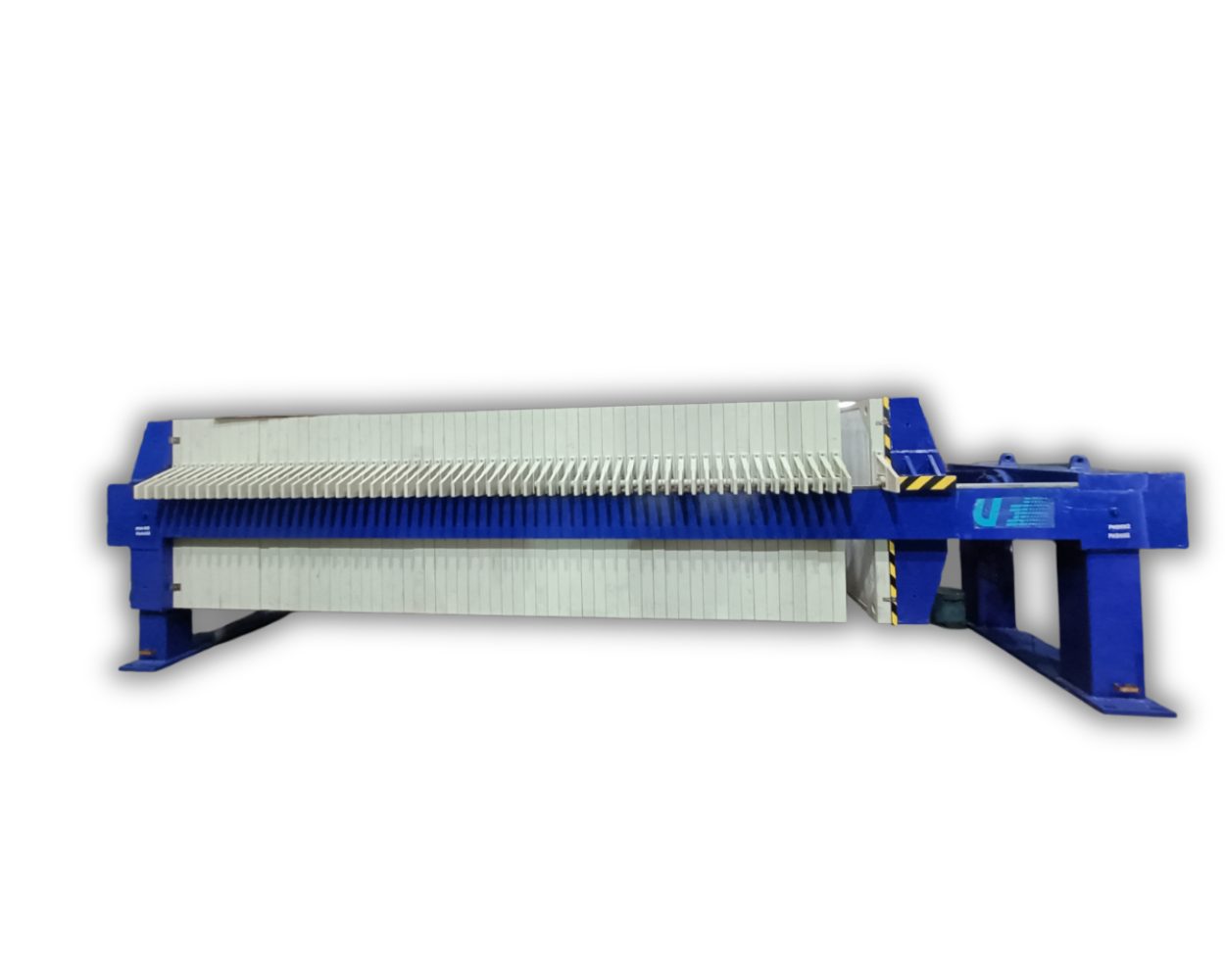
Choose the Right Filter Press is one of the most important decisions when designing a solid-liquid separation system. The correct filtration equipment improves productivity, reduces operational cost, and ensures consistent process performance. On the other hand, selecting the wrong filter press can lead to bottlenecks, high maintenance expenses, and inefficient filtration cycles.
Every industry, from chemicals and pharmaceuticals to wastewater treatment and mining, has different filtration requirements. Understanding how to choose the right filter press ensures that your system operates efficiently and delivers long-term value.
Why Choosing the Right Filter Press Matters
When industries try to choose the right filter press, many focus only on machine price or plate size. However, filtration performance depends on multiple process parameters such as slurry characteristics, cake dryness requirement, production volume, and automation level.
Choosing the right system ensures:
-
Higher filtration efficiency
-
Lower operational costs
-
Better cake dryness
-
Reduced labor requirement
-
Long equipment life
Ignoring these factors can cause major operational problems after installation.
Step 1: Understand Your Slurry Characteristics
Before you choose the right filter press, you must analyze the slurry properties. Slurry behavior directly affects filtration speed, cake formation, and moisture content.
Important slurry parameters include:
-
Solid concentration
-
Particle size distribution
-
Compressibility of solids
-
Temperature and chemical composition
-
Viscosity and flow behavior
Some slurries filter easily, while others require special technologies such as membrane plates for better dewatering.
Production capacity is another key factor when industries choose the right filter press. Capacity is usually determined by the amount of dry solids that must be processed per day.
Consider these parameters:
-
Dry solids load per day (TPD)
-
Slurry flow rate
-
Required cycle time
-
Number of filtration cycles per day
A filter press that is too small will become a production bottleneck, while an oversized system increases capital cost and space requirement.
Automation level plays a major role when companies choose the right filter press. Different industries require different levels of automation depending on production scale and labor availability.
Common filter press types include:
Manual Filter PressSuitable for small-scale operations with limited production volume.
Semi Automatic Filter Press
Uses hydraulic systems to close plates but requires manual cake removal.
Fully Automatic Filter Press
Automates plate shifting, cake discharge, and sometimes cloth washing.
Step 4: Consider Cake Dryness Requirement
Cake moisture is another important factor when industries choose the right filter press. In many processes, dry cake reduces handling cost and improves downstream processing.
Technologies affecting cake dryness include:
-
Recessed chamber plates
-
Membrane squeezing plates
-
Cake thickness configuration
-
Filtration pressure optimization
For applications where cake dryness is critical, membrane filter presses provide superior dewatering.
Step 5: Evaluate Operational and Maintenance Cost
When companies choose the right filter press, they should analyze total cost of ownership rather than only purchase price.
Operational costs include:
-
Energy consumption
-
Labor requirement
-
Filter cloth replacement
-
Maintenance and spare parts
-
Downtime and productivity loss
Advanced systems may cost more initially but save significant operational expenses over time.
Step 6: Plate Size and Cake Thickness
Plate size determines chamber volume and filtration area. However, plate size alone does not determine capacity.
To properly choose the right filter press, engineers must consider:
-
Cake thickness
-
Chamber volume
-
Filtration cycle time
-
Solids loading rate
Incorrect plate selection can lead to inefficient filtration cycles and higher operating cost.
Step 7: Industry-Specific Requirements
Different industries have unique filtration needs. When selecting equipment, industry standards and process conditions should be considered.
Examples include:
Chemical Industry
Requires corrosion-resistant materials and high filtration efficiency.
Pharmaceutical Industry
Needs sanitary design and precise filtration control.
Mining and Mineral Processing
Requires large-capacity filter presses with high pressure capability.
Wastewater Treatment
Focuses on sludge dewatering and disposal cost reduction.
Understanding these requirements helps engineers choose the right filter press for their application.
Common Mistakes When Choosing a Filter Press
Many companies make costly mistakes during equipment selection.
Common mistakes include:
-
Choosing equipment based only on plate size
-
Ignoring slurry properties
-
Underestimating cycle time
-
Not planning for future expansion
-
Selecting incorrect automation level
Avoiding these mistakes ensures better performance and longer equipment life.
Conclusion
Choose the Right Filter Press is a critical step for achieving efficient solid–liquid separation in any industrial process. The decision should be based on slurry characteristics, filtration capacity, cake dryness requirements, automation level, and long-term operational cost.
By evaluating these factors carefully, industries can select a filtration system that delivers consistent performance, reduces operational expenses, and supports future production growth.
If your plant is planning to install or upgrade filtration equipment, taking time to choose the right filter press will ensure better productivity and long-term return on investment.