
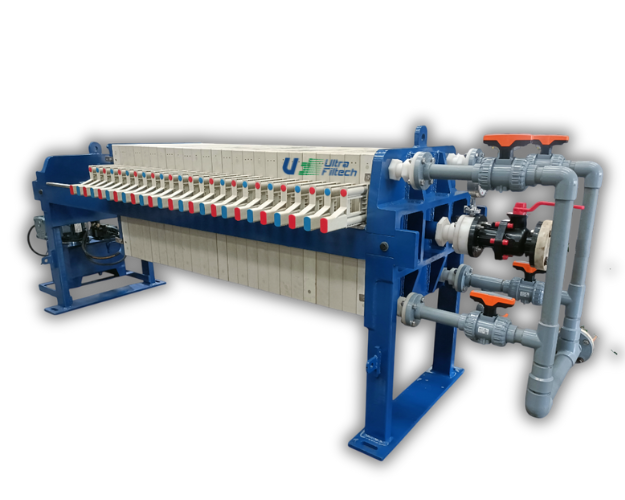
Manual Filter Press Machine is one of the most widely used filtration systems for effective solid-liquid separation in small and medium-scale industries. Known for its simple design, low cost, and reliable performance, this machine is an ideal choice for businesses seeking efficient filtration without heavy investment.
This guide explains the working principle, components, benefits, applications, and maintenance of a manual filter press machine in detail.
What Is a Manual Filter Press Machine?
A Manual Filter Press Machine is a mechanical filtration device that separates solids from liquids using pressure and filter cloth. Unlike automatic systems, all operations such as plate shifting and cake removal are performed manually. This makes it cost-effective and easy to operate.
The machine is commonly used where batch filtration is required and automation is not necessary.
How Does a Manual Filter Press Machine Work?
The working process of a Manual Filter Press Machine involves a step-by-step filtration cycle:
1. Plate Arrangement
Filter plates and frames are manually arranged and tightly closed using a mechanical or screw-type system.
2. Slurry Feeding
Slurry is pumped into the chambers. Liquid passes through the filter cloth while solid particles are retained.
3. Cake Formation
As filtration continues, solids build up inside the chambers forming uniform filter cakes.
4. Filtration Completion
Once pressure reaches the desired level and no more liquid flows out, the filtration cycle ends.
5. Manual Cake Discharge
Plates are opened manually and the solid cakes are removed by hand.
Main Components of a Manual Filter Press Machine
A Manual Filter Press Machine consists of the following key components:
Filter plates and frames
Filter cloth
Mechanical closing system
Feed pump
Supporting structure
Each component plays an important role in achieving efficient filtration.
Benefits of Using a Manual Filter Press Machine
Industries prefer a Manual Filter Press Machine for many practical reasons:
Low initial investment
Simple operation and maintenance
Minimal power consumption
Reliable filtration performance
Long equipment life
These benefits make it suitable for budget-conscious operations.
Applications of Manual Filter Press Machine
A Manual Filter Press Machine is used in various industries, including:
Chemical processing
Pharmaceuticals
Food and beverage
Dyes and pigments
Wastewater treatment
Small manufacturing units
Its flexibility makes it useful across multiple sectors.
Difference Between Manual and Automatic Filter Press
A Manual Filter Press Machine requires full human involvement, while automatic systems handle operations electronically. Manual machines are ideal for low-volume production, whereas automatic presses suit high-capacity continuous processes.
How to Choose the Right Manual Filter Press Machine
When selecting a Manual Filter Press Machine, consider:
Slurry type and solid content
Required filtration capacity
Plate size and number
Available installation space
Maintenance requirements
Choosing the correct configuration improves efficiency and performance.
Maintenance Tips for Manual Filter Press Machine
Proper maintenance ensures long-term performance of a Manual Filter Press Machine:
Clean filter cloths regularly
Check plates for cracks or wear
Ensure proper tightening during operation
Inspect seals and joints
Routine care reduces downtime and repair costs.
Conclusion
A Manual Filter Press Machine is a dependable and economical filtration solution for industries that require effective solid-liquid separation without complex automation. Its simple construction, low operating cost, and reliable performance make it a preferred choice for small and medium-scale applications.
If you are looking for a durable and affordable filtration system, a Manual Filter Press Machine is a practical investment.