
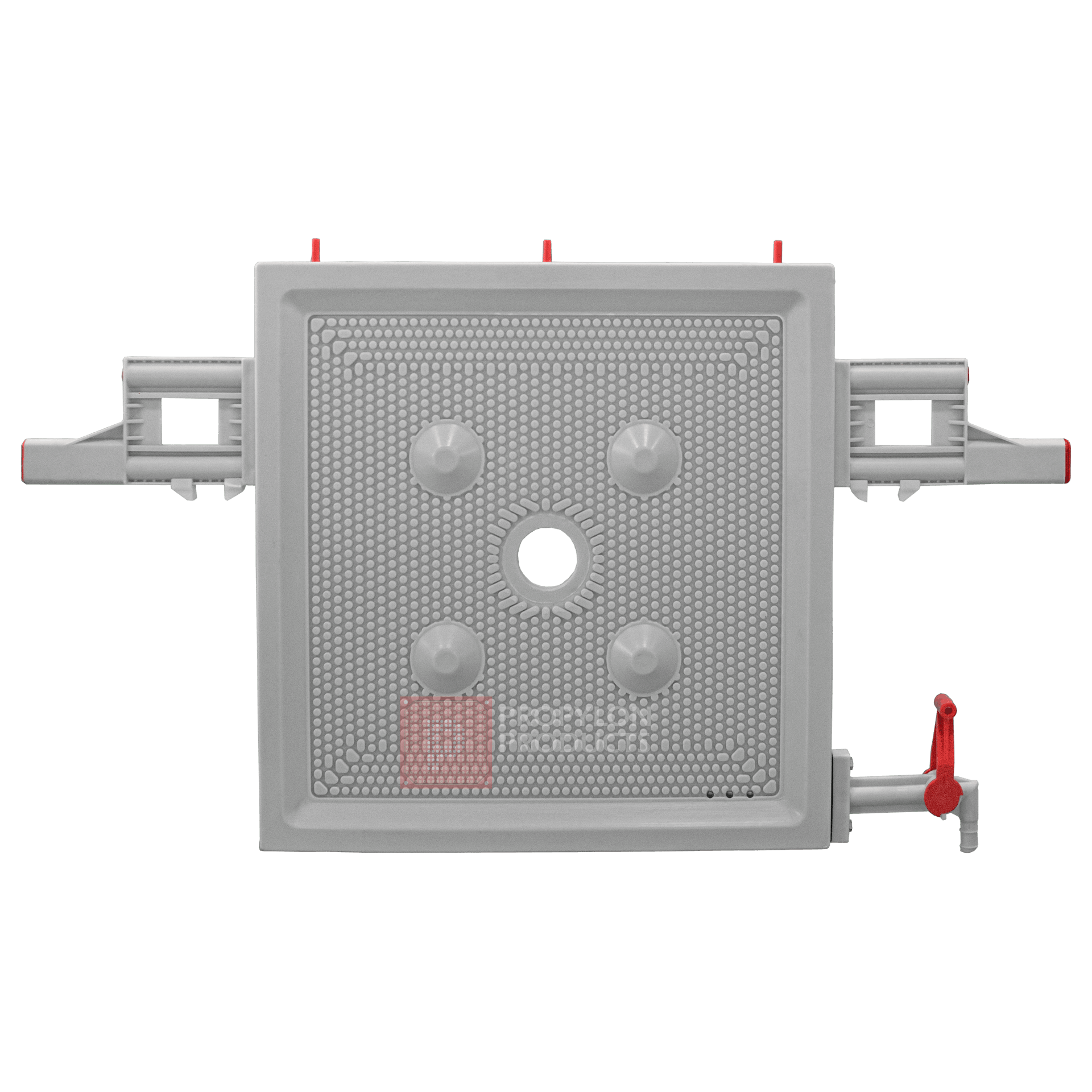
Filter Press Plate Maintenance Checklist is one of the most valuable tools a plant can implement to improve filtration performance and avoid costly equipment failures. Filter press plates are among the most critical components in any filtration system. They operate under constant pressure, endure repeated opening and closing cycles, and are regularly exposed to abrasive solids, corrosive chemicals, and varying operating conditions.
Despite their importance, filter plates are often only inspected when a problem becomes obvious. By that point, issues such as leakage, plate cracking, uneven cake formation, or poor filtration performance may already be affecting production.
A structured maintenance schedule helps identify small issues before they become expensive repairs. More importantly, it improves equipment reliability, extends plate life, and ensures consistent filtration performance throughout the year.
Why Filter Plate Maintenance Should Never Be Reactive
Many plants operate filter presses continuously and assume the plates will last indefinitely unless visible damage appears. Unfortunately, filter plate wear is often gradual.
Minor defects can develop over time, including:
- Surface wear
- Small cracks
- Seal damage
- Cloth support deterioration
- Filtrate port blockage
These issues rarely cause immediate failure. Instead, they slowly reduce filtration efficiency and increase operating costs.
A well-planned Filter Press Plate Maintenance Checklist allows operators to identify these problems early and address them before production is affected.
The Cost of Neglecting Plate Inspections
When plate maintenance is ignored, the consequences can extend far beyond the filtration system itself.
Common outcomes include:
- Increased leakage between plates
- Longer filtration cycles
- Higher cake moisture content
- More frequent cloth replacement
- Hydraulic system stress
- Unplanned shutdowns
In many cases, a plate that could have been repaired or replaced during scheduled maintenance ends up causing a costly production interruption.
That is why preventive inspection is one of the most cost-effective investments a facility can make.
Monthly Filter Press Plate Inspection Checklist
Monthly inspections focus on identifying visible wear and operational issues before they become serious.
A monthly Filter Press Plate Maintenance Checklist should include the following items:
Inspect Plate Surfaces
Carefully examine each plate for:
- Surface wear
- Deep scratches
- Signs of abrasion
- Chemical attack
Surface damage can affect sealing performance and eventually lead to leakage.
Check Plate Alignment
Misaligned plates often create uneven pressure distribution.
Inspect:
- Guide rails
- Plate handles
- Plate positioning
Correct alignment helps maintain proper sealing and reduces unnecessary stress on the plate structure.
Examine Filter Cloth Contact Areas
Areas where cloths contact the plate should remain smooth and clean.
Look for:
- Excessive wear
- Sharp edges
- Deformation
These conditions can shorten cloth life and contribute to leakage.
Inspect Filtrate Ports
Blocked filtrate ports restrict flow and create pressure imbalances.
Ensure:
- Ports are clear
- Drainage channels are clean
- No hardened solids are present
Maintaining unrestricted filtrate flow improves overall filtration efficiency.
Monitor Leakage Patterns
Leakage often provides valuable information about plate condition.
Document:
- Location of leaks
- Frequency
- Severity
Recurring leaks frequently indicate developing plate or sealing issues.
Quarterly Filter Press Plate Inspection Checklist
Quarterly inspections should be more detailed and focus on identifying structural issues that may not be visible during routine checks.
A quarterly Filter Press Plate Maintenance Checklist should include:
Check for Hairline Cracks
Small cracks often appear before major failures occur.
Inspect:
- Corners
- Feed eye areas
- High-stress zones
- Plate support structures
Hairline cracks should never be ignored.
Verify Plate Flatness
Over time, plates may experience slight warping due to pressure cycles or temperature variations.
Use measuring tools to verify:
- Surface flatness
- Uniform contact surfaces
- Chamber integrity
Even minor distortion can affect sealing performance.
Evaluate Plate Thickness
Abrasive applications can gradually reduce material thickness.
Measure wear in:
- High-flow areas
- Feed ports
- Cake contact surfaces
Monitoring wear trends helps predict replacement needs before failures occur.
Inspect Gaskets and Sealing Areas
For CGR and gasketed systems, sealing components require special attention.
Look for:
- Cracks
- Hardening
- Compression damage
- Chemical degradation
Damaged gaskets are a common source of leakage.
Review Filtration Performance Trends
Quarterly maintenance should include a review of operational data.
Analyze:
- Cycle times
- Cake moisture
- Leakage frequency
- Maintenance records
Performance changes often reveal plate issues before physical damage becomes visible.
Annual Filter Press Plate Inspection Checklist
Annual inspections should be comprehensive and involve a full evaluation of plate condition and overall filtration performance.
A complete Filter Press Plate Maintenance Checklist at the annual level focuses on long-term reliability.
Remove and Inspect Selected Plates
A detailed examination should include plates from different positions within the press.
Inspect for:
- Internal damage
- Structural fatigue
- Hidden cracks
- Material degradation
This provides a clearer understanding of overall plate health.
Conduct Dimensional Verification
Check critical dimensions to ensure plates remain within manufacturer specifications.
Verify:
- Plate thickness
- Chamber dimensions
- Sealing surface geometry
Dimensional changes can affect both performance and safety.
Evaluate Material Condition
Certain applications expose plates to aggressive chemicals or abrasive solids.
Assess:
- Surface integrity
- Chemical resistance
- Mechanical strength
This helps determine whether the current plate material remains suitable for the process.
Review Plate Replacement History
A review of replacement records often reveals valuable trends.
Questions to consider:
- Are specific plate positions failing more frequently?
- Is wear accelerating?
- Have operating conditions changed?
Patterns in replacement history often identify underlying process issues.
Update Maintenance Strategy
Annual inspections should lead to action.
Adjust:
- Inspection frequency
- Spare parts inventory
- Replacement schedules
- Operator training procedures
Continuous improvement is a key part of an effective maintenance program.
Real-World Example: Preventing a Major Failure
A wastewater treatment facility implemented a structured Filter Press Plate Maintenance Checklist after experiencing repeated leakage issues.
During a quarterly inspection, technicians discovered several small cracks developing around feed eye areas. The plates were replaced during a planned shutdown.
Had those cracks gone unnoticed, they would likely have progressed into complete plate failure, resulting in emergency downtime and significant production disruption.
The maintenance program paid for itself by preventing a single major failure.
Signs That Immediate Inspection Is Required
While scheduled inspections are essential, certain warning signs should trigger immediate attention.
These include:
- Sudden increase in leakage
- Unusual cake formation
- Reduced filtration capacity
- Visible plate deformation
- Unexpected pressure fluctuations
- Frequent cloth damage
When these symptoms appear, operators should not wait for the next scheduled inspection.
Building a Maintenance Culture
The most successful filtration operations treat maintenance as part of daily production rather than a separate task.
An effective Filter Press Plate Maintenance Checklist works best when:
- Operators are trained to identify issues
- Inspection findings are documented
- Maintenance records are reviewed regularly
- Small problems are corrected quickly
This proactive approach improves reliability and reduces long-term operating costs.
Final Thoughts
Filter Press Plate Maintenance Checklist programs are not just about preventing equipment failure. They are about protecting productivity, maintaining filtration efficiency, and maximizing the return on investment from your filtration system.
Monthly inspections help identify early signs of wear. Quarterly evaluations uncover developing structural issues. Annual assessments provide the strategic insight needed to plan replacements and optimize performance.
When these inspections become part of a consistent maintenance routine, filter press plates last longer, operate more efficiently, and contribute to a more reliable filtration process overall.
For any facility that depends on filter press performance, a structured maintenance checklist is not optional. It is essential.