
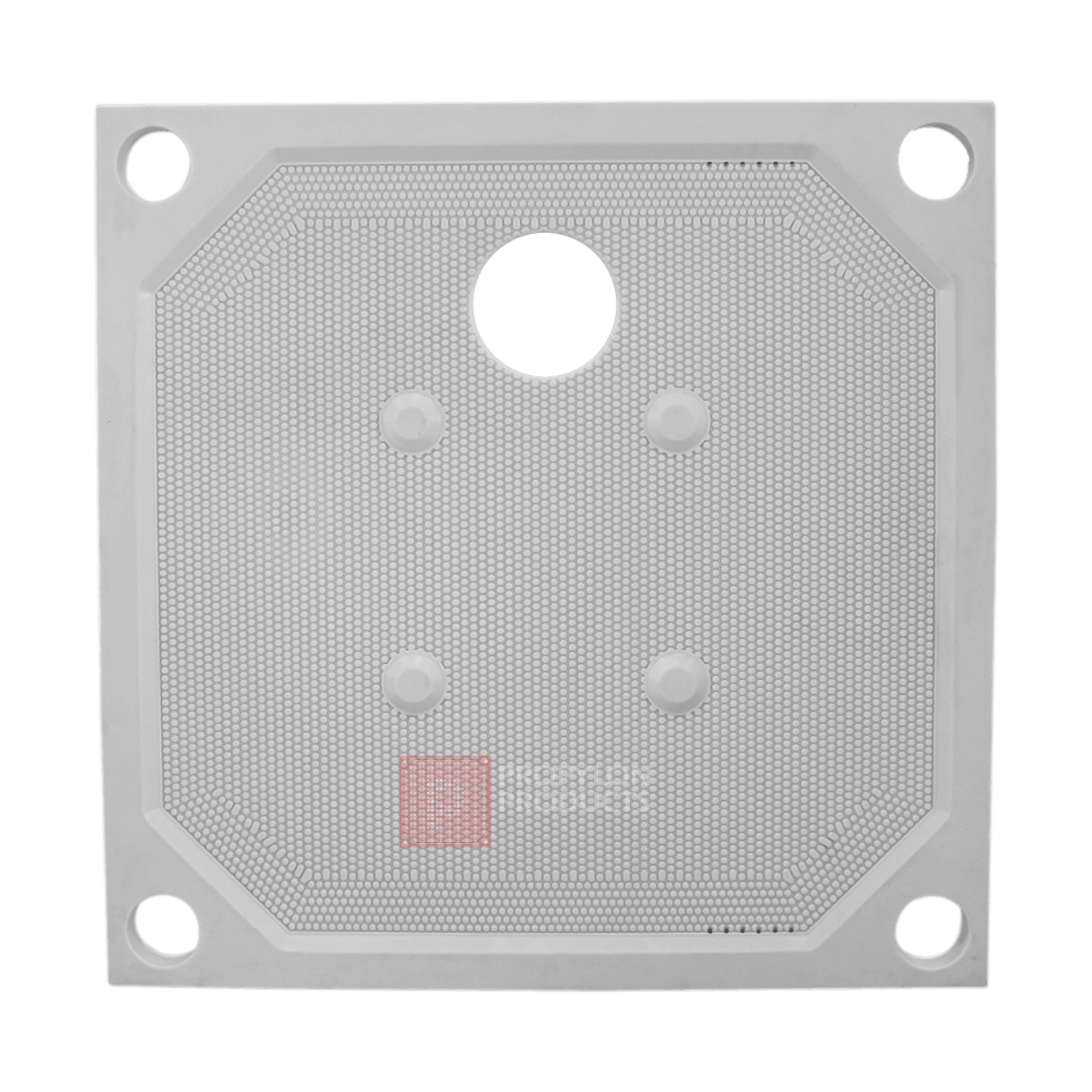
Filter Press Plate Sealing Problems are among the most common issues faced by filter press operators. A small leak between plates may seem harmless at first, but it can quickly lead to reduced filtration efficiency, product loss, messy work areas, longer cycle times, and unnecessary maintenance costs.
In many industrial facilities, plate leakage is often treated as a routine nuisance. However, recurring leaks are usually a sign that something in the filtration system is not operating as intended. Understanding the root causes of sealing problems is the first step toward improving filter press performance and preventing costly downtime.
The good news is that most plate sealing issues are preventable when operators know what to look for and establish the right maintenance practices.
Why Proper Plate Sealing Matters
A filter press relies on pressure to separate solids from liquids. To maintain that pressure, every plate must seal correctly against the adjacent plate.
When sealing surfaces fail, several problems can occur:
- Slurry leaks from between plates
- Chamber pressure drops
- Cake formation becomes uneven
- Filtration cycles become less efficient
- Product recovery decreases
- Cleanup and maintenance requirements increase
This is why addressing Filter Press Plate Sealing Problems should be a priority rather than an afterthought.
Understanding How Filter Press Plates Seal
Before troubleshooting leaks, it helps to understand how sealing works.
When the hydraulic system closes the filter press, a specific force is applied across the entire plate pack. This force compresses the plates together and creates a sealed chamber for filtration.
Depending on the plate design, sealing may occur through:
- Direct plate-to-plate contact
- Gasketed sealing surfaces
- CGR (Caulked Gasketed Recessed) sealing systems
- Membrane plate sealing arrangements
Any factor that interferes with this contact can create leakage paths.
Cause 1: Damaged or Worn Filter Cloths
One of the most overlooked causes of Filter Press Plate Sealing Problems is improper filter cloth condition.
When a cloth becomes:
- Torn
- Wrinkled
- Stretched
- Misaligned
it can prevent plates from closing evenly.
Even a small fold in the cloth can create enough space for slurry to escape during filtration.
How to Prevent It
- Inspect cloths before each operating cycle
- Replace damaged cloths promptly
- Ensure cloths are installed correctly
- Verify cloth tension remains uniform
Regular cloth maintenance often eliminates leaks without requiring major repairs.
Cause 2: Debris on Plate Sealing Surfaces
Filter presses operate in demanding environments. Over time, solids, dried slurry, and foreign particles can accumulate on plate surfaces.
When debris becomes trapped between plates, the seal is compromised.
This is one of the most common Filter Press Plate Sealing Problems in plants that process sticky sludge or high-solids slurry.
How to Prevent It
- Clean plate surfaces regularly
- Remove accumulated cake residue
- Inspect sealing areas before closing the press
- Train operators to identify buildup early
A few minutes spent cleaning plates can prevent hours of lost production.
Cause 3: Improper Plate Alignment
Filter plates must remain perfectly aligned throughout operation.
When a plate is skewed, tilted, or incorrectly positioned, pressure distribution becomes uneven. Some sections seal correctly while others remain partially open.
This frequently results in visible leaks between specific plates.
How to Prevent It
- Check plate alignment during loading
- Ensure guide rails remain clean
- Replace worn rollers or guides
- Avoid forcing plates into position
Proper alignment significantly reduces recurring Filter Press Plate Sealing Problems.
Cause 4: Insufficient Hydraulic Closing Pressure
The hydraulic system provides the force required to compress the plate pack.
If closing pressure drops below specification, plates may not seal completely.
Common causes include:
- Hydraulic oil leakage
- Low oil levels
- Faulty pressure settings
- Worn hydraulic components
How to Prevent It
- Monitor hydraulic pressure regularly
- Inspect cylinders and hoses
- Maintain proper oil levels
- Verify pressure settings during operation
A healthy hydraulic system is essential for maintaining consistent plate sealing.
Cause 5: Cracked or Damaged Plates
Even high-quality polypropylene plates can eventually become damaged.
Cracks may develop due to:
- Excessive operating pressure
- Mechanical impact
- Improper handling
- Thermal stress
- Long-term wear
A damaged plate often creates sealing problems before a visible crack is noticed.
How to Prevent It
- Inspect plates during scheduled maintenance
- Handle plates carefully during cleaning
- Replace damaged plates immediately
- Operate within recommended pressure limits
Ignoring minor plate damage often leads to larger filtration issues later.
Cause 6: Uneven Cake Formation
Not all sealing issues originate from the plates themselves.
When slurry distribution is uneven, cake may build differently across chambers. This creates imbalanced pressure and can place additional stress on certain plates.
Over time, uneven loading contributes to Filter Press Plate Sealing Problems and may even accelerate plate wear.
How to Prevent It
- Maintain consistent feed pressure
- Ensure proper slurry conditioning
- Verify feed ports remain clear
- Monitor chamber filling patterns
Balanced cake formation helps maintain uniform sealing force.
Cause 7: Worn or Damaged Gaskets
For CGR filter plates and gasketed systems, gasket condition plays a critical role.
Over time, gaskets may:
- Harden
- Crack
- Compress permanently
- Become chemically damaged
Once a gasket loses elasticity, sealing performance declines significantly.
How to Prevent It
- Inspect gaskets regularly
- Replace damaged seals promptly
- Use compatible gasket materials
- Avoid excessive chemical exposure
Gasket maintenance is one of the simplest ways to eliminate recurring leaks.
Real-World Example: A Leak That Wasn’t a Plate Problem
A chemical processing facility experienced frequent leakage between several filter plates. Operators initially suspected cracked plates and prepared for expensive replacements.
After a detailed inspection, the actual causes were:
- Two misaligned filter cloths
- Dried slurry on sealing surfaces
- Slightly reduced hydraulic closing pressure
After correcting these issues, the leaks disappeared completely.
This example highlights an important lesson. Many Filter Press Plate Sealing Problems originate from operating conditions rather than component failure.
Building a Preventive Maintenance Strategy
The most effective way to eliminate leaks is to prevent them before they start.
Daily Inspection Checklist
- Check cloth condition
- Inspect for visible leakage
- Verify plate alignment
- Clean sealing surfaces
Weekly Inspection Checklist
- Check hydraulic pressure
- Inspect filtrate ports
- Review cake discharge patterns
- Examine gasket condition
Monthly Inspection Checklist
- Inspect plates for cracks
- Verify hydraulic system performance
- Review maintenance records
- Replace worn components proactively
A structured maintenance program significantly reduces sealing-related downtime.
Choosing the Right Plate Design for Better Sealing
In applications where leakage cannot be tolerated, plate design becomes especially important.
Many industries choose:
- CGR filter plates for enhanced sealing
- Membrane plates for improved dewatering
- High-quality polypropylene plates for durability
Selecting the right plate configuration can reduce the likelihood of future Filter Press Plate Sealing Problems and improve overall filtration reliability.
Final Thoughts
Filter Press Plate Sealing Problems rarely happen without warning. In most cases, leaks develop because of cloth issues, plate misalignment, hydraulic pressure loss, gasket wear, or inadequate maintenance practices.
The key to stopping leaks is identifying the root cause rather than simply cleaning up the symptoms. A well-maintained filter press with properly aligned plates, clean sealing surfaces, and adequate closing pressure should operate with minimal leakage and consistent performance.
For plants that depend on efficient solid-liquid separation, solving sealing issues is one of the simplest ways to improve productivity, reduce waste, and extend equipment life. A proactive approach today can prevent costly filtration problems tomorrow.