
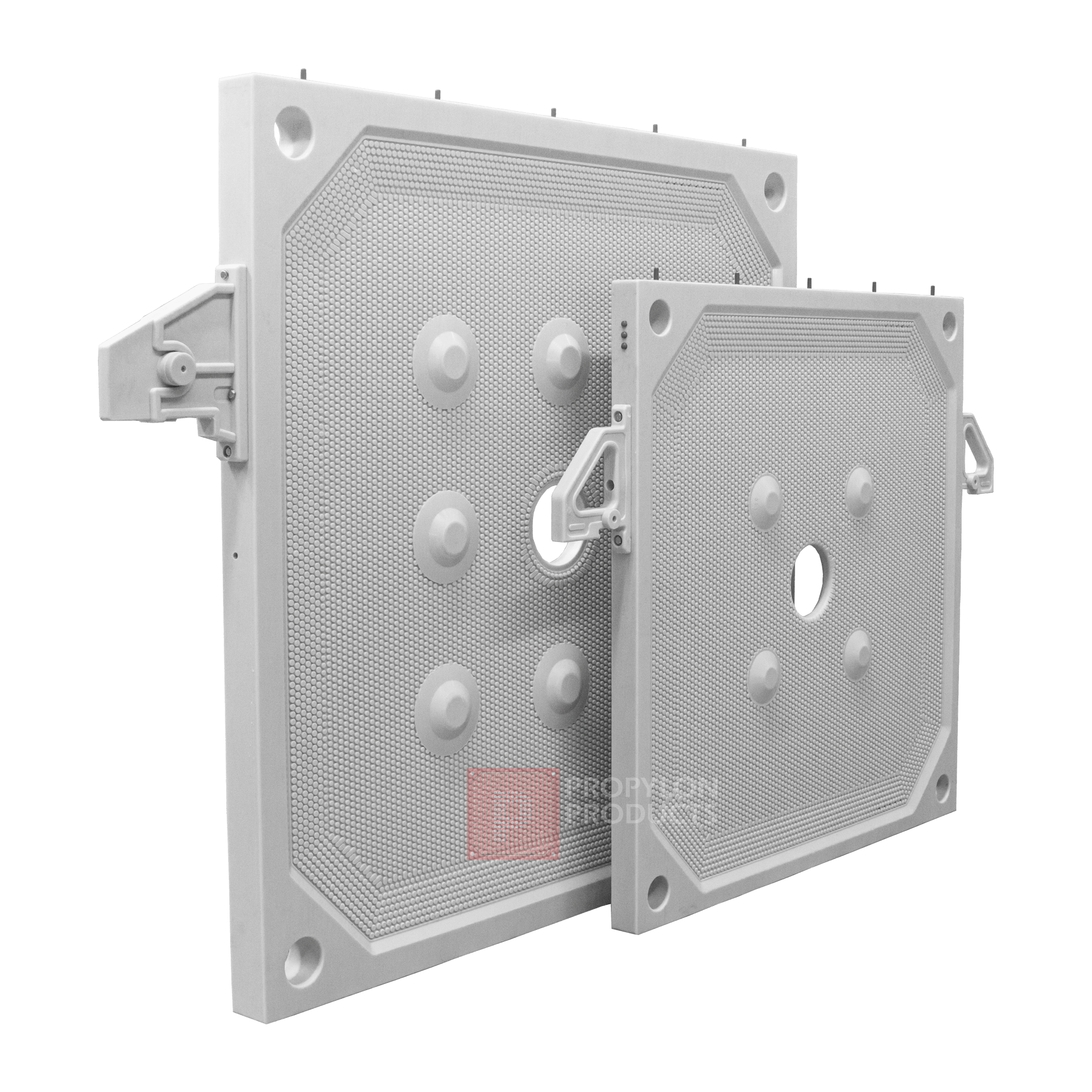
Polypropylene Filter Plates are now widely considered the default choice in modern filter press systems. Whether you are dealing with chemical slurry, wastewater sludge, food processing residues, or mining applications, chances are high that the plates inside the press are made from polypropylene.
This shift did not happen overnight. It is the result of years of practical experience across industries where performance, durability, and cost all matter at the same time.
What makes polypropylene stand out is not just one feature. It is the combination of chemical resistance, mechanical strength, lightweight design, and long service life that makes it so reliable in real plant conditions.
Why Material Choice Matters in Filter Plates
Filter plates operate under pressure, repeated cycles, and constant exposure to slurry. That means the material they are made from must handle mechanical stress as well as chemical interaction.
In many filtration problems, the issue is not the machine design. It is the material not being suited for the application.
This is where Polypropylene Filter Plates offer a clear advantage. They are designed to perform consistently in environments where other materials may degrade, corrode, or fail prematurely.
Choosing the right material is not just a technical decision. It directly affects maintenance cost, downtime, and overall process stability.
Excellent Chemical Resistance Across Applications
One of the main reasons Polypropylene Filter Plates are so widely used is their strong resistance to a broad range of chemicals.
In industries such as:
- Chemical processing
- Pharmaceuticals
- Dyes and pigments
- Effluent treatment
plates are constantly exposed to acids, alkalis, solvents, and reactive compounds.
Polypropylene handles these conditions well. It does not corrode like metal and does not react easily with most industrial chemicals.
This makes it a reliable choice for plants where material compatibility is critical.
Lightweight Yet Structurally Strong
At first glance, polypropylene may seem less robust than metal. In reality, it offers a very effective balance between strength and weight.
Polypropylene Filter Plates are significantly lighter than cast iron or steel plates. This makes them easier to handle, install, and maintain.
At the same time, modern manufacturing techniques allow these plates to maintain structural integrity under high pressure conditions.
This combination of light weight and strength improves both operator convenience and machine performance.
Better Sealing and Surface Finish
Another advantage of Polypropylene Filter Plates is the quality of their surface finish.
A well-molded plate provides:
- Smooth sealing surfaces
- Better alignment between plates
- Reduced risk of leakage
- Improved cloth fitment
In practical operation, this leads to more consistent filtration and fewer issues related to sealing or misalignment.
This may seem like a small detail, but it plays a big role in maintaining reliable performance over time.
Longer Service Life With Lower Maintenance
Durability is one of the key reasons industries prefer polypropylene.
Unlike metal plates, which may rust or degrade, Polypropylene Filter Plates maintain their integrity even after repeated cycles.
They are resistant to:
- Corrosion
- Chemical attack
- Surface wear in many applications
- Environmental exposure
This results in fewer replacements and lower maintenance effort.
Over time, this durability translates into cost savings that often outweigh the initial investment.
Compatibility With Different Plate Designs
Polypropylene is not limited to one type of filter plate. It is used across various designs, including:
- Recessed chamber plates
- Membrane filter plates
- CGR plates
- Plate and frame configurations
This versatility makes Polypropylene Filter Plates suitable for a wide range of filtration systems.
Whether the requirement is simple dewatering or advanced membrane squeezing, polypropylene can be adapted to meet the need.
Improved Performance in Sludge Dewatering
In wastewater and sludge dewatering applications, plate performance directly affects cake dryness and handling.
Polypropylene Filter Plates perform well in these conditions because they:
- Maintain consistent chamber geometry
- Support stable cake formation
- Resist chemical degradation from sludge
- Allow effective pressure distribution
This helps produce cake that is easier to handle and more economical to dispose of.
For many treatment plants, this is one of the main reasons for choosing polypropylene over other materials.
Real-World Example: From Metal to Polypropylene
Consider a plant that initially used metal filter plates for chemical sludge filtration. Over time, they faced corrosion issues, frequent maintenance, and leakage due to surface degradation.
After switching to Polypropylene Filter Plates, the plant observed:
- Reduced maintenance frequency
- Improved sealing performance
- Longer plate life
- More stable filtration cycles
The process remained the same, but the material change improved reliability and reduced operating cost.
This kind of transition is common in many industries.
Cost Perspective: Not Just About Purchase Price
At first glance, polypropylene plates may seem comparable or slightly higher in cost than some traditional options.
However, the real value comes from long-term performance.
Polypropylene Filter Plates help reduce:
- Replacement frequency
- Maintenance labor
- Downtime
- Process interruptions
When these factors are considered, the total cost of ownership is often lower.
This is why many plants standardize on polypropylene once they experience its benefits.
When Polypropylene May Not Be Ideal
While polypropylene works well in most applications, there are certain conditions where alternative materials may be considered.
Extremely high temperatures or highly abrasive environments may require special materials or reinforced designs.
However, for the majority of industrial filtration processes, Polypropylene Filter Plates remain the most practical and widely accepted choice.
Final Thoughts
Polypropylene Filter Plates have earned their position as the leading material choice in filter press systems because they offer a balanced combination of durability, chemical resistance, ease of handling, and long-term reliability.
They are not just popular because they are widely available. They are trusted because they perform consistently across different industries and applications.
When filtration systems are expected to run daily under demanding conditions, material choice becomes critical. Polypropylene provides a dependable solution that supports both performance and cost efficiency.
For most industrial applications, choosing polypropylene is not just a safe option. It is a smart one.