
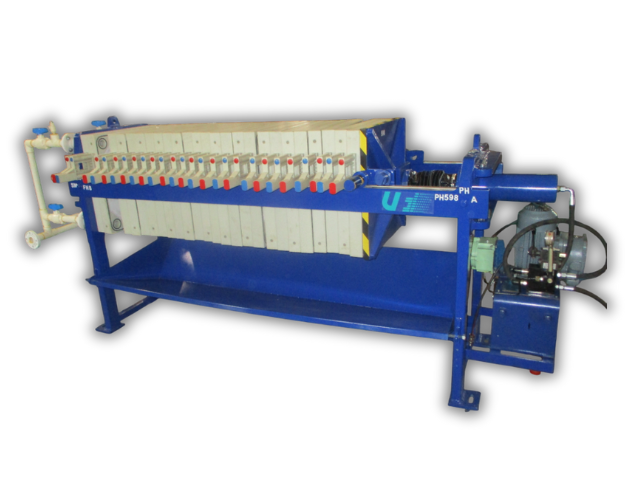
In many cases, plants unknowingly lose money every day because cake thickness is not optimized. This guide explains what cake thickness means, why it matters, and how it quietly controls your filter press cost.
What Is Cake Thickness in Filter Press?
Cake Thickness in Filter Press refers to the depth of solid material that builds up inside the filter chambers during a filtration cycle. This thickness depends on plate design, chamber volume, slurry properties, operating pressure, and filtration time.
The filter cake itself becomes the main filtration medium after the initial layer forms. While a thicker cake can sometimes improve clarity, it also increases resistance to flow, which has a direct impact on operating cost.
Why Cake Thickness in Filter Press Has a Direct Cost Impact
The effect of cake thickness in filter press operation is not always visible, but it shows up in several cost areas:
1. Cycle Time Increases
Thicker cakes take longer to form and longer to dewater. Longer cycle times mean fewer batches per day, which reduces overall plant throughput and increases cost per ton of solids handled.
2. Energy Consumption Goes Up
As cake thickness increases, resistance to flow also increases. Pumps must work harder and for longer periods, which raises electricity consumption. Over time, this becomes a significant operating expense.
3. Higher Wear on Filter Cloth and Plates
Uneven or excessive cake thickness in filter press chambers puts more mechanical stress on filter cloth and plates. This leads to faster wear, more frequent replacements, and higher maintenance costs.
4. More Labor and Handling Cost
Very thick cakes are heavier and harder to discharge. This increases manual effort, cleaning time, and sometimes even requires additional tools or manpower, adding to operating cost.
How Cake Thickness in Filter Press Affects Overall Performance
Optimizing cake thickness in filter press operation improves multiple performance parameters at the same time:
-
Faster filtration cycles
-
Lower power consumption
-
More consistent cake discharge
-
Better equipment reliability
-
Longer service life of filter media
On the other hand, ignoring cake thickness often results in hidden inefficiencies that slowly increase total cost of ownership.
Key Factors That Control Cake Thickness in Filter Press
Several process and design parameters influence cake thickness in filter press systems:
1. Plate Type and Chamber Depth
Recessed chamber plates have a fixed cake thickness, while CGR or membrane plates allow higher or adjustable cake thickness. Plate selection plays a major role in how much cake can build per cycle.
2. Slurry Solid Content
Higher solids concentration leads to faster cake build-up and greater final thickness. Low solids slurry may never reach the intended cake thickness within a reasonable cycle time.
3. Operating Pressure
Higher pressure compresses the cake, reducing porosity but also increasing flow resistance. This changes the effective behavior of cake thickness during filtration.
4. Filtration Time
Longer cycles allow more solids to accumulate, increasing cake thickness. However, beyond a point, the extra thickness only increases resistance without giving proportional benefit.
5. Feed Pump Capacity
High feed rates can build cake faster, but if not properly controlled, they can also cause uneven cake thickness in filter press chambers, leading to operational issues.
Hidden Costs of Poor Cake Thickness Control
When cake thickness in filter press is not properly optimized, plants often face:
-
Increased electricity bills
-
Lower daily production capacity
-
Frequent cloth blinding and replacement
-
Higher maintenance downtime
-
Higher disposal cost due to wetter or inconsistent cakes
These costs usually appear gradually, which is why they are often ignored until performance drops significantly.
How to Optimize Cake Thickness in Filter Press
To control cake thickness in filter press systems effectively, a few practical steps can make a big difference:
1. Choose the Right Plate Configuration
Select plate size and chamber depth based on slurry behavior and required solids handling capacity, not just on past projects.
2. Control Operating Pressure
Avoid using excessive pressure. The goal is to achieve good dewatering without over-compressing the cake and increasing resistance.
3. Stabilize Slurry Properties
Keep solids concentration as consistent as possible to achieve uniform cake formation and predictable cycle times.
4. Optimize Cycle Time
Set cycle time based on actual dewatering performance, not just on maximum possible cake thickness.
5. Consider Membrane or CGR Plates Where Needed
These options help improve dewatering and manage cake thickness in filter press systems more effectively, especially for difficult slurries.
Economic Benefits of Optimized Cake Thickness in Filter Press
When cake thickness in filter press is properly managed, plants typically see:
-
Lower power consumption per cycle
-
Higher throughput with the same equipment
-
Reduced maintenance and cloth replacement cost
-
Better handling and disposal of filter cake
-
Improved return on investment for the filter press
Even small improvements in cake thickness control can lead to noticeable long-term savings.
Common Mistakes Related to Cake Thickness in Filter Press
Some frequent mistakes include:
-
Running longer cycles than necessary
-
Using oversized plates for low-solids slurry
-
Applying higher pressure than required
-
Ignoring uneven cake formation across plates
Avoiding these mistakes is essential for keeping operating costs under control.
Conclusion
Cake Thickness in Filter Press is a silent but powerful cost driver in any filtration system. While it may look like a minor process detail, it directly affects energy use, cycle time, maintenance, and overall productivity. Plants that understand and optimize cake thickness often achieve better performance without investing in new equipment.
If you want to reduce filtration cost and improve efficiency, start by evaluating and optimizing cake thickness in filter press operation. It is one of the simplest and most effective ways to gain hidden savings in your filtration process.