
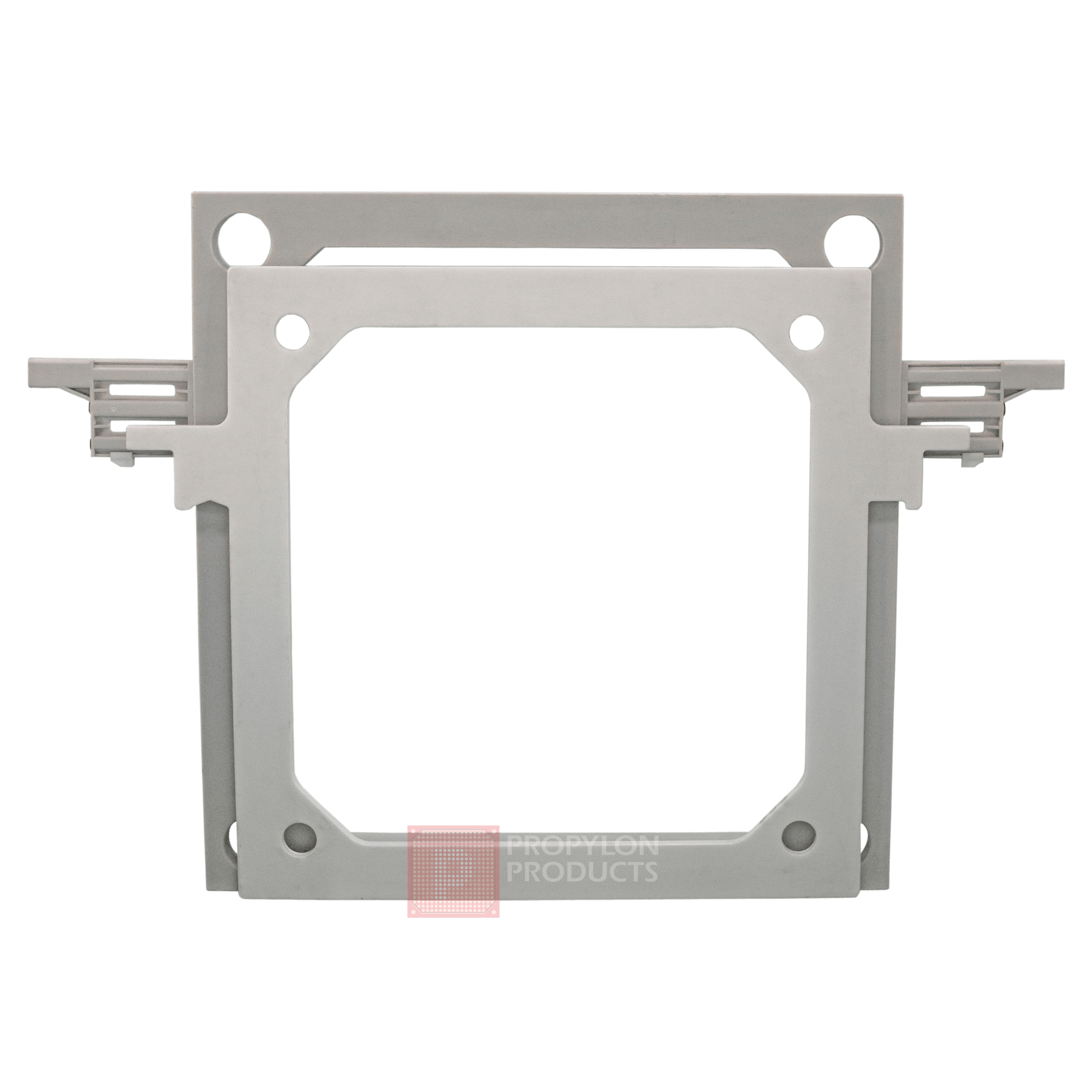
Plate and Frame vs Recessed Chamber Filter Press is a comparison that often comes up when industries are selecting or upgrading filtration systems. Both designs are built on the same fundamental principle of pressure filtration, yet their construction, operation, and performance characteristics differ in ways that can significantly impact real plant operation.
At first glance, the difference may seem structural. In reality, it affects everything from cake formation and filtration efficiency to maintenance effort and long-term cost.
Understanding how these two systems behave under actual operating conditions is the key to making the right choice.
Why This Comparison Still Matters Today
With so many modern filtration technologies available, it is easy to assume that older designs like plate and frame presses are no longer relevant. That is not entirely true.
Both systems are still widely used, and each has its place depending on the process.
The reason the Plate and Frame vs Recessed Chamber Filter Press comparison remains important is because the choice directly influences:
- Filtration control
- Cake washing capability
- Maintenance complexity
- Operational flexibility
- Cost over time
In many cases, selecting the wrong design does not show immediate problems. The issues appear later as inefficiency or increased operating cost.
What Is a Plate and Frame Filter Press
A plate and frame filter press consists of alternating plates and hollow frames. The frames create the chambers where slurry is collected, while the plates support the filter cloth and allow filtrate to pass through.
This design separates the chamber volume from the filtration surface, which allows greater flexibility in operation.
In the context of Plate and Frame vs Recessed Chamber Filter Press, this design is often considered more traditional, but it offers certain advantages that remain relevant.
What Is a Recessed Chamber Filter Press
A recessed chamber filter press uses plates with recessed surfaces. When two plates come together, they form a chamber without the need for a separate frame.
This creates a more compact and simplified structure.
In the Plate and Frame vs Recessed Chamber Filter Press comparison, recessed chamber designs are generally seen as more modern and easier to operate, especially in industrial environments where simplicity and speed matter.
Key Structural Difference
The main structural difference is straightforward.
Plate and frame presses use separate frames to create chambers.
Recessed chamber presses form chambers directly between plates.
This affects how slurry fills the chambers, how cake builds up, and how the system is handled during operation.
While the difference sounds simple, it has a direct impact on performance and usability.
Cake Formation and Thickness Control
One of the biggest differences in the Plate and Frame vs Recessed Chamber Filter Press comparison lies in cake formation.
In plate and frame systems, the frame determines cake thickness. This allows more control over chamber volume and can be useful in processes where cake washing or controlled thickness is required.
In recessed chamber systems, cake thickness is fixed by the plate design. This simplifies operation but reduces flexibility.
For applications where precise control over cake structure is needed, plate and frame presses may offer an advantage.
Filtration Efficiency and Cycle Time
Recessed chamber presses generally offer faster and more straightforward operation. They are easier to handle, quicker to open and close, and require less manual intervention.
Plate and frame presses, while flexible, often involve more handling and longer setup time.
In practical terms, the Plate and Frame vs Recessed Chamber Filter Press comparison often favors recessed chamber designs for higher throughput and simpler operation.
However, efficiency is not only about speed. In some specialized processes, the control offered by plate and frame systems can lead to better filtration quality.
Cake Washing Capability
Cake washing is an important requirement in certain industries such as chemicals and pharmaceuticals.
Plate and frame presses are particularly well suited for cake washing because the separate frame structure allows better distribution of washing liquid through the cake.
In contrast, recessed chamber presses are less flexible in this regard.
This is one of the most important technical distinctions in the Plate and Frame vs Recessed Chamber Filter Press decision. If washing is a critical step, plate and frame design often becomes the preferred choice.
Maintenance and Handling
Maintenance is another area where these two designs differ significantly.
Recessed chamber presses are generally easier to maintain because of their simpler construction. Fewer components mean fewer points of failure and easier cleaning.
Plate and frame presses involve more components, including separate frames and additional cloth handling. This can increase maintenance effort and operator involvement.
For plants focused on ease of use, the Plate and Frame vs Recessed Chamber Filter Press comparison often leans toward recessed chamber systems.
Cost Considerations
Cost comparison between these two systems depends on both initial investment and long-term operation.
Plate and frame presses may have a slightly higher complexity in design, which can influence cost. However, their flexibility in certain applications can justify that investment.
Recessed chamber presses are often more cost-effective for general industrial use due to their simpler structure and lower maintenance needs.
When evaluating Plate and Frame vs Recessed Chamber Filter Press, it is important to consider not just the purchase price, but also labor, maintenance, and process efficiency over time.
Real-World Example: Choosing Based on Process Needs
Consider two different plants.
A chemical plant requires precise cake washing and controlled filtration for product purity. They choose a plate and frame filter press because it allows better washing and process control.
A wastewater treatment plant, on the other hand, needs fast, reliable sludge dewatering with minimal operator involvement. They choose a recessed chamber filter press for its simplicity and efficiency.
Both decisions are correct because they match the equipment to the process.
This is the key takeaway from the Plate and Frame vs Recessed Chamber Filter Press comparison. The right choice depends on what the process demands.
When to Choose Plate and Frame Filter Press
Plate and frame presses are suitable when:
- Cake washing is required
- Precise control over cake thickness is important
- Filtration quality is more critical than speed
- Process flexibility is needed
In these cases, the additional complexity provides real value.
When to Choose Recessed Chamber Filter Press
Recessed chamber presses are ideal when:
- High throughput is required
- Operation needs to be simple and efficient
- Maintenance should be minimal
- Sludge dewatering or general filtration is the goal
These systems are widely used because they balance performance and practicality.
Final Thoughts
Plate and Frame vs Recessed Chamber Filter Press is not a question of which system is better overall. It is about which system fits your application.
Plate and frame presses offer flexibility, especially for processes that require washing or controlled filtration. Recessed chamber presses offer simplicity, speed, and ease of operation.
The best results come from matching the design to the process rather than choosing based on familiarity or cost alone.
When that alignment is achieved, filtration becomes more efficient, more predictable, and far easier to manage in day-to-day operation.